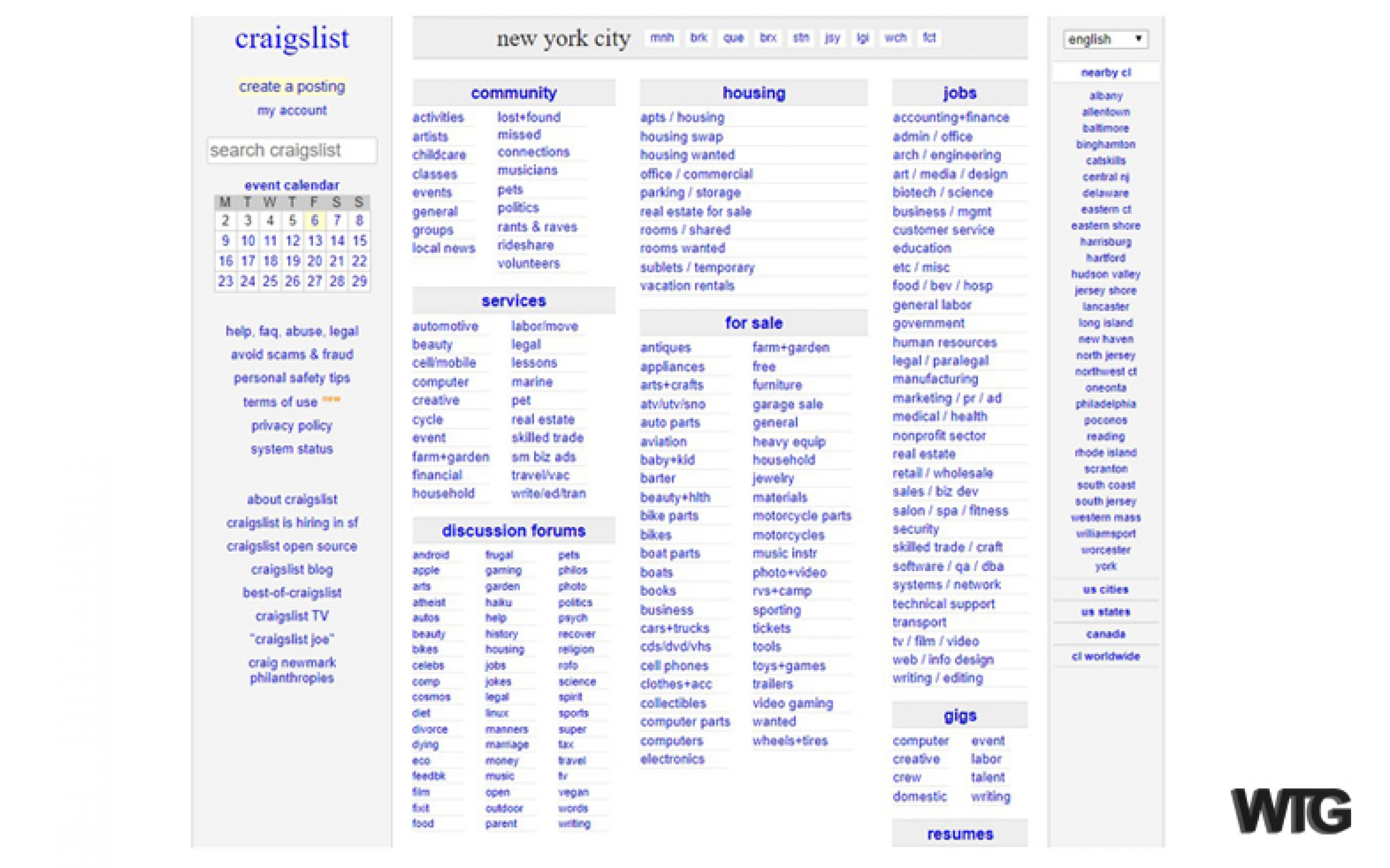
Craigslist, the ubiquitous online classifieds platform, remains a popular hub for buying, selling, and finding everything from apartments to used furniture. However, its open and relatively unregulated nature also makes it a fertile ground for identity theft. Craigslist identity theft isn't just about losing money; it's about having your personal information stolen and misused, leading to financial ruin, damaged credit, and a long, stressful recovery process. This guide aims to provide you with a comprehensive understanding of Craigslist identity theft, how it works, and, most importantly, how to protect yourself.
Why Should You Care About Craigslist Identity Theft?
Craigslist Identity Theft: A Comprehensive Guide to Protecting Yourself
In today's digital age, identity theft is a pervasive threat. Craigslist, with its vast user base and anonymity, offers criminals an attractive environment to prey on unsuspecting individuals. The consequences of falling victim to identity theft can be devastating, including:
- Financial Loss: Unauthorized credit card charges, fraudulent loans, and drained bank accounts.
- Damaged Credit Score: Negative marks on your credit report, making it difficult to obtain loans, rent an apartment, or even get a job.
- Stolen Tax Refund: Criminals filing fraudulent tax returns in your name.
- Legal Troubles: Facing legal issues due to crimes committed by the identity thief in your name.
- Emotional Distress: The stress and anxiety associated with recovering from identity theft can take a significant toll on your mental health.

Therefore, understanding the risks associated with Craigslist and taking proactive steps to protect your identity is crucial.
How Craigslist Identity Theft Works: Common Scams and Tactics
Craigslist identity theft manifests in various forms. Here are some of the most common scams and tactics employed by criminals:
- Phishing Scams: Scammers send fake emails or text messages disguised as legitimate Craigslist communications, often requesting personal information like your password, bank account details, or social security number. These emails typically contain links that lead to fake websites designed to steal your credentials.
- Red Flags: Generic greetings (e.g., "Dear Customer"), urgent requests for information, poor grammar and spelling, mismatched URLs (hover over the link to see where it leads).
- Rental Scams: Scammers pose as landlords and list properties they don't own or have no right to rent. They ask for upfront payments for application fees, security deposits, or first month's rent, then disappear once they receive the money. Often they will ask for a copy of your ID to verify your information.
- Red Flags: Unusually low rent, refusal to meet in person or show the property, pressure to send money quickly, requests for wire transfers or gift cards.

- Overpayment Scams: Scammers send a check for more than the agreed-upon price for an item you're selling. They ask you to deposit the check and wire them the difference. The check is fraudulent, and you're responsible for the bounced check fee and the money you wired to the scammer.
- Red Flags: Check is for a larger amount than agreed, request to wire money, vague explanations for the overpayment.
- Personal Information Harvesting: Scammers create fake listings or respond to legitimate ones, asking for your personal information under false pretenses. This information can then be used to open fraudulent accounts or commit other forms of identity theft.
- Red Flags: Unusual or excessive requests for personal information, pressure to provide information quickly, refusal to meet in person.
- Romance Scams: Scammers build a relationship with you online, often through Craigslist personals, and then ask for money for a supposed emergency or to visit you.
- Red Flags: Professing love quickly, avoiding meeting in person, asking for money for travel, medical expenses, or other emergencies.
- Job Scams: Scammers post fake job listings, often promising high pay for minimal work. They ask for your personal information or ask you to purchase equipment or services as a condition of employment.
- Red Flags: Unrealistic salary, vague job description, request for upfront payments, request for personal information before an interview.
Protecting Yourself: A Step-by-Step Guide
The best defense against Craigslist identity theft is prevention. Here's a comprehensive guide to protecting yourself:
- Be Wary of Suspicious Emails and Links: Never click on links or open attachments from unknown senders. Verify the sender's address and look for red flags like poor grammar or spelling. Always access Craigslist directly by typing the URL (www.craigslist.org) into your browser.
- Protect Your Personal Information: Never share your Social Security number, bank account details, or other sensitive information with strangers online. Be cautious about providing your phone number or address.
- Meet in Person in a Safe Location: When buying or selling items, meet in a public place during daylight hours. Bring a friend or family member with you. Never go to someone's home alone.
- Use a Secure Payment Method: Avoid using wire transfers, money orders, or gift cards, as these are difficult to trace and recover. Use cash, PayPal (with buyer/seller protection), or a credit card.
- Trust Your Gut: If something feels too good to be true or makes you uncomfortable, trust your instincts and walk away.
- Report Suspicious Activity: If you suspect you've been targeted by a scam, report it to Craigslist, the Federal Trade Commission (FTC), and your local law enforcement agency.
- Monitor Your Credit Report Regularly: Check your credit report from all three major credit bureaus (Equifax, Experian, and TransUnion) at least once a year. You can get a free copy of your credit report at www.annualcreditreport.com.
- Consider Using a Virtual Phone Number: A virtual phone number can help protect your real phone number from being exposed to scammers.
- Use a Strong, Unique Password: Use a strong, unique password for your Craigslist account and other online accounts. Avoid using the same password for multiple accounts.
- Enable Two-Factor Authentication (2FA): If available, enable 2FA on your Craigslist account. This adds an extra layer of security by requiring a code from your phone in addition to your password.
What to Do If You've Been a Victim of Craigslist Identity Theft
If you suspect you've been a victim of Craigslist identity theft, take the following steps immediately:
- Report the incident to Craigslist: Contact Craigslist support and provide them with as much detail as possible about the scam.
- Report the incident to the FTC: File a report with the Federal Trade Commission (FTC) at identitytheft.gov.
- File a police report: Contact your local law enforcement agency and file a police report.
- Contact your bank and credit card companies: Alert your bank and credit card companies about the fraudulent activity and close any compromised accounts.
- Place a fraud alert on your credit report: Contact one of the three major credit bureaus (Equifax, Experian, or TransUnion) and place a fraud alert on your credit report. This will make it more difficult for scammers to open new accounts in your name.
- Consider a credit freeze: A credit freeze restricts access to your credit report, making it more difficult for scammers to open new accounts.
- Monitor your credit report closely: Continue to monitor your credit report for any signs of fraudulent activity.
- Change your passwords: Change your passwords for all of your online accounts, especially your email and bank accounts.
Price Table for Craigslist Identity Theft
| Service/Item | Description | Estimated Cost | Notes |
|---|---|---|---|
| Credit Monitoring Service | Monitors your credit report for suspicious activity. | $10 - $30/month | Consider free options first, then upgrade if needed. |
| Identity Theft Insurance | Provides assistance and financial reimbursement if you're a victim. | $5 - $15/month | Read the fine print carefully to understand what's covered. |
| Credit Freeze | Restricts access to your credit report. | Free (Federal Law) | Previously some states charged a fee, but now it is free due to federal law. |
| Fraud Alert | Alerts creditors to verify your identity before opening accounts. | Free (90 days, renewable) | Can be extended. |
| Replacement ID Cards/Documents | Costs to replace driver's licenses, social security cards, etc. | Varies by State/Agency | Check with the specific issuing agency for their fee schedule. |
| Legal Fees | If legal representation is needed to resolve identity theft issues. | Varies significantly | Can range from hundreds to thousands of dollars depending on the complexity of the case. |
| Time & Effort to Resolve | The value of the time spent clearing your name and finances. | Priceless | Difficult to quantify, but a significant cost of identity theft. Includes stress, anxiety, and lost wages. |
Frequently Asked Questions (FAQ)
- Q: Is Craigslist inherently unsafe?
- A: No, Craigslist itself isn't inherently unsafe, but its open nature makes it vulnerable to scams. By taking precautions, you can significantly reduce your risk.
- Q: Can I get my money back if I'm scammed on Craigslist?
- A: It's difficult to recover money lost to scams on Craigslist, especially if you paid with wire transfers, money orders, or gift cards.
- Q: How long does it take to recover from identity theft?
- A: Recovery from identity theft can take months or even years, depending on the severity of the damage.
- Q: What is the best way to pay someone on Craigslist?
- A: Cash is generally the safest option for local transactions. For larger purchases, consider using PayPal (with buyer/seller protection) or a credit card.
- Q: If a landlord asks for my social security number, is that a scam?
- A: While it's common for landlords to ask for your social security number for credit checks, you should be wary. Ask if you can provide the last four digits only, or offer to provide a copy of your credit report instead.
Conclusion
Craigslist identity theft is a serious threat that can have devastating consequences. By understanding the risks, recognizing common scams, and taking proactive steps to protect your identity, you can significantly reduce your vulnerability. Remember to be vigilant, trust your instincts, and report any suspicious activity. Your vigilance is key to protecting your personal information and financial well-being in the digital age. Staying informed and taking preventative measures is the best defense against becoming a victim of Craigslist identity theft.